Table of Contents
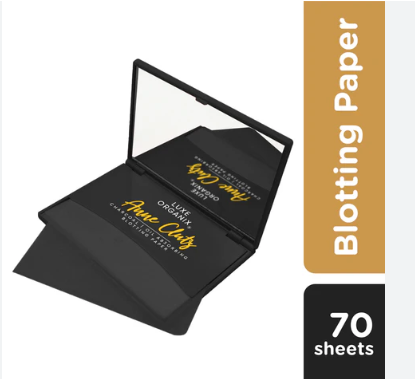
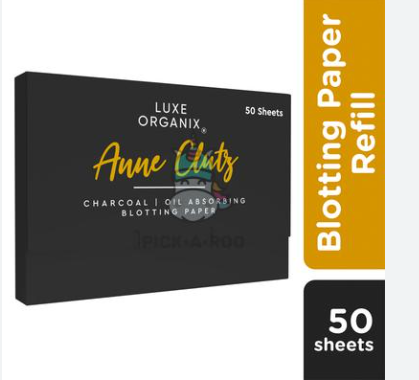
Anne Clutz Blotting paper explained by Anne Clutz! Learn 6 real mistakes Pinays make and the correct technique for shine-free skin. Read this first!
Blotting paper is one of the most misused beauty tools in every Pinay’s kikay kit — and I say this with full love because I was guilty too.
Grabe — I remember being a teenager in school, pressing blotting paper on my face as hard as I could, over and over, wondering why my shine came back within 30 minutes. I thought I was doing something wrong. Turns out, I just did not understand what blotting paper actually does — and what it absolutely cannot do.
By the end of this post, you are going to understand exactly how blotting paper works, the correct technique for using it, why Philippine humidity changes everything, and the six mistakes most Filipino women make without realizing it. Hindi ko alam noon — but now I do, and I want you to know it too. Tara na — let us start from the beginning.
Note from Anne: I am not a dermatologist — I am just a girl who has spent years learning about skin the hard way. Everything I share here is based on my personal experience and research from credible sources. For serious skin concerns always see a real dermatologist. Your skin is unique and what works for me may not work for you.
Blotting Paper Myths vs Truth: What Filipino Women Get Wrong
Before we go deeper, let me bust the biggest myths about blotting paper. These are things I genuinely believed for years — and I know so many of our kababaihans still believe them too.
COMMON MYTH THE REAL TRUTH WHY IT MATTERS
Blotting paper removes makeup and you need to reapply. | Blotting paper only absorbs oil — not foundation or concealer. | You can blot freely without ruining your makeup. No need to reapply!
The more you blot the less oil your skin produces. | Blotting does not stop oil production at all. It only removes surface oil. | Over-blotting can trick you into thinking your skin problem is solved when it is not.
All blotting papers are the same. | Materials differ — rice paper, wood pulp, and fabric blotting sheets absorb differently. | The wrong material can feel too harsh or not absorb enough for your skin type.
Pressing hard gets more oil off. | Pressing hard spreads bacteria and can irritate skin. Gentle patting is the correct technique. | Hard pressing worsens breakouts especially on morena skin that is more prone to post-inflammatory marks.
Blotting papers are only for oily skin types. | Even combination and normal skin types get midday shine especially in Philippine humidity. | Anyone living in a tropical climate can benefit from knowing how to blot correctly.
How Blotting Paper Actually Works on Oily Skin
Okay let me break this down in the simplest way possible. Your skin produces oil — called sebum — through tiny glands under your pores. This is completely normal and actually healthy. Sebum protects your skin barrier and keeps it from drying out.
Blotting paper works by absorbing excess sebum that has risen to the surface of your skin. Think of it like a sponge for your face. The paper material — usually rice paper, wood pulp, or fabric — has a porous texture that draws oil away from your skin surface when pressed gently against it.
Here is what blotting paper does NOT do:
- It does not reduce sebum production in your glands
- It does not treat the root cause of oily skin
- It does not change your skin type
- It does not replace proper skincare
According to the American Academy of Dermatology, sebum production is primarily controlled by hormones, genetics, and skin health — not surface blotting. (https://www.aad.org/public/everyday-care/skin-care-basics/oily)
when I kept blotting thinking I was treating my oily skin. All I was doing was managing surface shine — not the real problem.
Practical tip you can use today: Think of blotting paper as your shine emergency tool — not your oily skin solution. Your cleanser and moisturizer do the real work.
Why Blotting Paper and Philippine Humidity Do Not Always Mix Well
Para sa ating mga Pinay — this section is especially important for us. We live in one of the most humid countries in the world. Our average humidity level sits between 75% and 85% throughout most of the year. In some regions it goes even higher.
Here is what humidity does to your skin: When the air is saturated with moisture, your skin struggles to regulate its own temperature. To compensate, your sebaceous glands can produce more oil than usual. This is why you can wash your face in the morning and be shiny again by 10am — that is not a personal flaw. That is just Philippine weather doing what it does.
Humidity also means your blotting paper gets saturated faster. Here is what I have learned:
- One blotting sheet can only absorb so much oil before it becomes useless
- Using a saturated sheet can spread oil around instead of absorbing it
- During summer months — April, May, June — you will naturally need to blot more often
- Air-conditioned environments dry the air and reduce how oily your skin gets
A 2024 dermatology review confirmed that tropical humid climates significantly increase sebum secretion in Asian skin types. (https://www.healthline.com/health/skin/oily-skin)
This means what works for someone in a cold dry climate is not going to work the same way for us here in the Philippines. Sulit lang — once you understand this, your whole approach to oily skin changes.
The Correct Blotting Paper Technique Most People Never Learn
This is something most beauty gurus never talk about — there is actually a correct way to use blotting paper. I thought you just pressed it on your face. I was so wrong, charot — but actually not joking, it really matters.
Step-by-Step: How to Use Blotting Paper the Right Way
- Start with clean hands — you are touching your face so bacteria on your fingers matter
- Take one sheet and hold it gently between your fingers — do not crumple it
- Place the sheet flat against the oily area — usually the T-zone (forehead, nose, chin)
- Press GENTLY and HOLD for 5 to 10 seconds — do not rub, do not drag
- Lift the sheet away without sliding it across your skin
- Check the sheet — if it is fully saturated with oil, get a fresh one
- Repeat only on the areas that need it — not your whole face
The key word here is patting — not rubbing. Rubbing spreads bacteria across your skin, disturbs your makeup, and can actually stimulate more oil production by irritating the skin surface.
For our morena girls — this is especially important. Darker skin tones have more melanin-producing cells called melanocytes. These cells are more easily triggered by friction and irritation. Rubbing blotting paper on morena skin can contribute to post-inflammatory hyperpigmentation over time. That means dark spots — and none of us want that.
Talaga — the correct technique is one of those things that seems obvious once you know it but nobody actually teaches you. Now you know.
What Are Blotting Papers Made Of and Does It Matter for Filipino Skin
Hindi ko alam noon that blotting papers come in very different materials. I thought they were all the same thin square of paper. They are not — and the material actually matters for how well they work on our skin type.
The Main Types of Blotting Paper
- Rice paper blotters — the most common in Asia. Gentle, biodegradable, and effective for moderate oiliness. Great for sensitive morena skin.
- Wood pulp blotters — stronger absorption. Better for very oily skin types. Can feel slightly rougher on skin.
- Fabric or cloth blotters — often reusable. Softer feel but absorption varies by brand.
- Hemp blotters — newer eco-friendly option. Gentle and growing in availability.
- Powder-infused blotters — contain loose powder to set makeup after blotting. Good for morena skin because they leave less white cast than traditional setting powder.
For Filipino skin specifically, rice paper blotters are generally considered the gentlest option. According to Healthline, blotting products that avoid added fragrances or harsh chemicals are better for reactive or sensitive Asian skin types. (https://www.healthline.com/health/beauty-skin-care/blotting-paper)
Practical tip: If your skin feels red or irritated after blotting, try switching to rice paper blotters. They absorb without the micro-friction that rougher materials can cause.
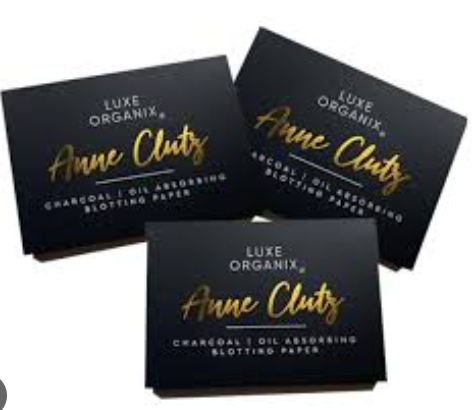
Can You Over-Blot Your Face and What Happens If You Do
Yes — you absolutely can over-blot. I did this for years and I thought I was being disciplined about my skincare. I was actually making my skin more reactive.
Here is what happens when you blot too much: Your skin has a natural protective layer called the acid mantle. This thin film of sebum and sweat helps protect your skin from bacteria, pollution, and water loss. When you blot excessively — more than three or four times a day — you risk disrupting this protective barrier.
When your skin barrier is disturbed, a few things can happen:
- Your sebaceous glands can go into overdrive and produce even more oil to compensate
- Your skin can become more sensitive and reactive to products
- You may notice more breakouts as your natural defenses weaken
- In dry season, over-blotting can cause areas of skin to feel tight and uncomfortable
A 2024 review published via PubMed noted that excessive removal of sebum without addressing the underlying causes can worsen skin barrier function over time. (https://pubmed.ncbi.nlm.nih.gov/)
The sweet spot for most Filipino women in our climate is blotting two to three times a day maximum — morning, midday, and maybe afternoon. If you feel the need to blot more than that, it may be time to look at your full skincare routine.
Blotting Paper for Morena Skin: What Is Different and Why It Matters
Para sa ating mga morena — I want to address this directly because it took me so long to find information specific to our skin tone. Most beauty content is made for lighter skin tones and it does not account for how deeper complexions behave differently.
Morena and darker Filipino skin tones have specific characteristics that affect how you should use blotting paper:
- Higher melanin content means our skin is more reactive to friction and pressure
- Post-inflammatory hyperpigmentation (dark spots from irritation) appears more visibly on darker skin
- Our skin generally has stronger sebaceous gland activity in tropical climates
- Powder-infused blotting papers may leave a slight white cast on morena skin — always check before using
The most important thing for morena girls is technique — gentle pressing and lifting, never rubbing. And checking for fragrance-free options because added scents can trigger irritation that leaves dark marks on our skin.
According to the AAD, people with darker skin tones are significantly more likely to experience post-inflammatory hyperpigmentation after skin trauma including friction. (https://www.aad.org)
So blot gently. Always. Talaga — that one rule alone can protect your morena skin from unnecessary dark spots.
What I Learned the Hard Way About Blotting Paper
Lesson 1: I Used to Blot Every 20 Minutes
When I was in university, I kept a pack of blotting papers in my bag at all times and I used them constantly. I thought the more I blotted the better. What I did not realize was that I was over-stimulating my skin. My oil glands were working overtime trying to replace what I kept removing. My skin got oilier the more I blotted.
Takeaway: Blot two to three times a day maximum — your skin needs some of that oil.
Lesson 2: I Was Rubbing Instead of Pressing
I used to drag the blotting paper across my nose because it felt like that was getting more oil off. Grabe — it was actually spreading bacteria and causing micro-irritation that made my pores look bigger. The moment I switched to press-and-lift, my skin calmed down noticeably.
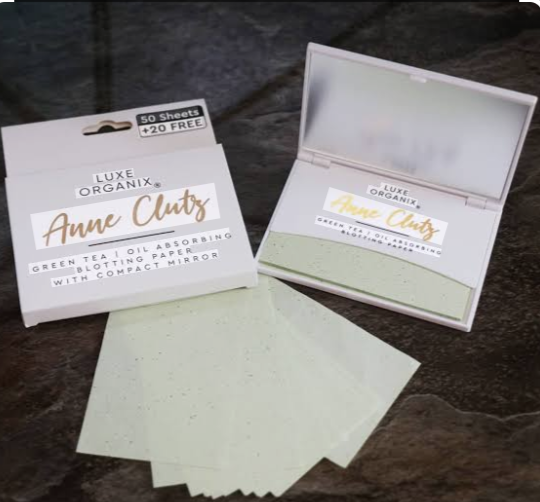
Takeaway: The correct motion is always press, hold, and lift. Never rub or drag.
Lesson 3: I Did Not Know Material Made a Difference
For years I grabbed whatever blotting papers were cheapest. Some of them were quite rough and my skin would be red after using them. When I finally tried rice paper blotters, the difference was immediate — softer, gentler, and my skin did not react.
Takeaway: Material matters. If your skin gets irritated after blotting, try a different type.
Lesson 4: I Thought Blotting Was Treating My Oily Skin
This was my biggest mistake. I thought if I just blotted enough my skin would eventually stop being oily. Nakaka-relate ba? It does not work that way at all. Blotting is just surface management. The real work happens with your cleanser, moisturizer, and lifestyle. Once I accepted that, I stopped being frustrated with blotting papers for something they were never designed to do.
Takeaway:Blotting paper is a tool for managing shine — not a treatment for oily skin.
Why does my skin get oilier in Philippine summer even with blotting papers?
The heat and humidity in April and May trigger your sebaceous glands to produce more sebum than usual. Your body is trying to regulate temperature and protect your skin. Blotting papers can only remove surface oil — they cannot stop the glands from producing more. This is completely normal for our climate and not something you are doing wrong.
Is it true blotting paper removes your makeup foundation?
This is one of the most common misconceptions. Blotting paper absorbs oil — not the pigment in your foundation. If you press gently, your makeup stays intact. The mistake most people make is pressing too hard or rubbing, which physically disturbs the makeup layer. Gentle technique means you can blot freely without touching up your base.
Can morena skin use blotting paper safely every day?
Yes — with the right technique and the right material. For morena skin, rice paper blotters are the gentlest option. Avoid powder-infused blotters that may leave white cast. The most important rule is always press gently and never rub. Friction on morena skin can cause dark spots over time, but gentle blotting done correctly carries no risk.
How many times a day should I use blotting paper in Filipino weather?
Two to three times a day is the general recommendation for our humid climate. Morning before leaving the house, midday, and mid-afternoon if needed. If you feel the urge to blot more than four times daily, it may be worth reviewing your full skincare routine — particularly your moisturizer. Under-moisturizing can paradoxically make oily skin worse.
Does blotting paper actually help with acne or breakouts?
Blotting paper does not treat acne. It removes surface oil but does not address the bacteria, clogged pores, or inflammation that cause acne. If you have active breakouts, be extra careful with your technique — pressing on inflamed skin can spread bacteria. For acne treatment, see a dermatologist. Blotting is just a cosmetic tool for shine control, not a medical skincare treatment.
What You Learned Today
- Blotting paper absorbs surface oil — it does not treat oily skin at the source.
- The correct technique is gentle pressing and lifting — never rubbing or dragging.
- Rice paper blotters are the gentlest option for morena skin prone to irritation.
- Philippine humidity means you may need to blot more often — and that is completely normal.
- Over-blotting is a real mistake — two to three times a day maximum is enough.
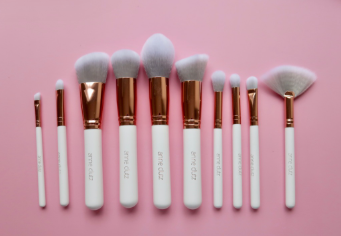
Anne Clutz Brushes: Top 10 Must-Have Tools 2026
Final Thoughts from Anne
I hope this helped you understand blotting paper so much better. It seems like such a simple tool — and it is — but knowing how it actually works makes such a difference in how you use it and what you expect from it.
The three most important things I want you to remember: blotting paper manages shine but does not treat oily skin, always press gently and never rub especially for morena skin, and two to three times a day is enough even in Philippine heat.
Knowledge is honestly the best beauty tool you will ever have — and it is completely free. Share this with your friends who are still fumbling with their blotting papers wondering why their shine comes back so fast. The more we know the better our skin gets. Mahal kita mga girls — see you in the next post!
- American Academy of Dermatology — Oily Skin: https://www.aad.org/public/everyday-care/skin-care-basics/oily
- Healthline — Blotting Paper: https://www.healthline.com/health/beauty-skin-care/blotting-paper
- Healthline — Oily Skin: https://www.healthline.com/health/skin/oily-skin
- PubMed — Sebum Research: https://pubmed.ncbi.nlm.nih.gov/
5. AAD — Hyperpigmentation: https://www.aad.org
Leave a Reply